

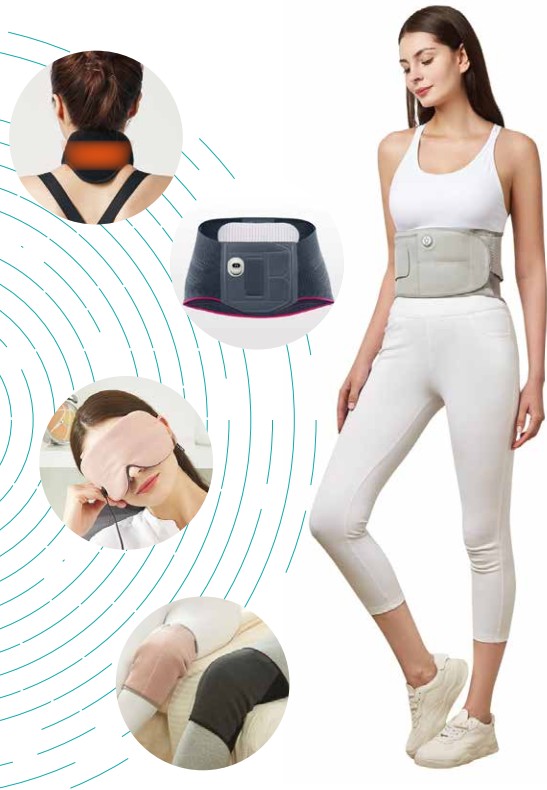
When we think of heated clothing, outdoor gear for winter sports or cold-weather work often comes to mind. But in recent years, this technology has quietly emerged as a valuable tool in medical rehabilitation, offering targeted warmth that supports recovery, eases discomfort, and improves quality of life for patients with a range of conditions. From post-surgery recovery to managing chronic illnesses like arthritis, heated clothing is redefining how healthcare providers approach comfort and healing. Let’s explore its key applications, benefits, and why it’s gaining traction in clinical settings.
1. Targeted Pain Relief for Musculoskeletal Conditions
Chronic pain from arthritis, fibromyalgia, or joint stiffness is a common barrier to rehabilitation. Cold temperatures often exacerbate these symptoms, causing muscles to tense and joints to stiffen—making even simple movements (like physical therapy exercises) painful. Heated clothing, designed with flexible, body-conforming heating elements, delivers gentle, consistent warmth directly to affected areas (e.g., knees, lower back, shoulders).
For example, patients with osteoarthritis in the knees can wear heated knee sleeves during physical therapy sessions. The warmth increases blood flow to the joint, reducing inflammation and loosening stiff tissues. A 2023 study published in the Journal of Rehabilitation Medicine found that patients using heated apparel during knee rehab reported a 30% reduction in pain scores compared to those using standard cold therapy alone. This not only makes therapy more bearable but also encourages patients to stick to their treatment plans—critical for long-term recovery.
2. Supporting Post-Surgery Recovery
After orthopedic surgeries (such as hip replacements or knee arthroscopy), maintaining optimal tissue temperature is key to reducing swelling, preventing infection, and accelerating healing. Traditional methods like heating pads are bulky, hard to secure to moving body parts, and risk overheating. Heated clothing solves these issues with its lightweight, wearable design and adjustable temperature controls.
Physical therapists often recommend heated leggings or upper-body garments for patients recovering from spinal surgeries. The controlled warmth helps relax surrounding muscles, reducing strain on the surgical site and making it easier to perform mobility exercises (e.g., gentle stretches or walking). Additionally, improved blood circulation from the heat delivers more oxygen and nutrients to damaged tissues, speeding up the repair process. Many patients report shorter recovery times and less reliance on pain medication when using heated clothing as part of their post-op care.
3. Managing Circulatory Disorders
Patients with circulatory conditions like peripheral artery disease (PAD) or Raynaud’s phenomenon struggle with poor blood flow to the extremities, leading to cold hands/feet, numbness, and even tissue damage. Heated gloves, socks, and arm sleeves provide localized warmth that dilates blood vessels, improving circulation and relieving discomfort.
For individuals with Raynaud’s, who experience sudden vasospasms in response to cold, heated accessories act as a “preventive measure.” Wearing heated gloves before going outside can stop spasms from occurring, allowing patients to engage in daily activities (like walking the dog or grocery shopping) without pain. In clinical settings, healthcare providers also use heated clothing to complement other treatments (e.g., medication for PAD), helping patients maintain better circulation and reduce the risk of complications like ulcers.
4. Addressing Challenges: Safety and Accessibility
While heated clothing offers significant benefits, it’s not without challenges. Safety is a top concern—especially for patients with limited sensation (e.g., those with diabetes or nerve damage), who may not feel if the clothing is overheating. To mitigate this, leading brands now include features like auto-shutoff timers, temperature sensors, and moisture-wicking fabrics that prevent overheating and skin irritation.
Accessibility is another issue. High-quality medical-grade heated clothing can be expensive, putting it out of reach for some patients. However, as demand grows, more affordable options are entering the market, and some insurance providers are starting to cover heated apparel for chronic conditions. Healthcare facilities are also investing in rental programs, allowing patients to use the clothing during therapy sessions without purchasing it outright.
The Future of Heated Clothing in Rehabilitation
As technology advances, the potential of heated clothing in medical rehabilitation only grows. We’re already seeing innovations like smart heated garments that connect to mobile apps, allowing therapists to monitor a patient’s temperature in real time and adjust settings remotely. There’s also research into integrating heating elements with compression technology—combining warmth with gentle pressure to further improve circulation and reduce swelling.
In the coming years, heated clothing could become a standard part of rehabilitation protocols, not just for pain relief but also for enhancing the effectiveness of physical therapy, reducing hospital readmissions, and improving patient outcomes. It’s a simple yet powerful example of how everyday technology can be adapted to transform healthcare.
Final Thoughts
Heated clothing is no longer just a winter luxury—it’s a vital tool in medical rehabilitation. By delivering targeted warmth, improving circulation, and easing pain, it helps patients recover faster, stay committed to their treatment plans, and regain their independence. As safety features improve and accessibility increases, there’s no doubt that heated clothing will continue to play a key role in making rehabilitation more comfortable and effective for millions of people worldwide.
If you or a loved one is undergoing rehabilitation, talk to your healthcare provider about whether heated clothing could be a helpful addition to your care plan. The right garment might just be the missing piece in your journey to recovery.
FAQs: Heated Clothing in Medical Rehabilitation
1. How does heated clothing help in medical rehabilitation and pain management?
Heated clothing used in medical rehabilitation provides gentle, sustained warmth to joints and muscles. This warmth can relax tight tissues, support blood flow and improve comfort during physical therapy exercises. In the context of arthritis, fibromyalgia or joint stiffness, many patients find that using heated garments before or during exercise makes movement easier and encourages them to stay consistent with their rehabilitation plan.
2. Is heated clothing safe for patients with conditions like diabetes or nerve damage?
For patients with reduced sensation, such as some people with diabetes or peripheral neuropathy, heated clothing should be used carefully under medical guidance. Safety‑focused garments often include features like automatic shut‑off, multiple heat settings and materials that pull moisture away from the skin. Even with these features, users should start at the lowest temperature, limit session time and regularly check the skin for redness or irritation.
3. Can I use heated clothing after surgery to speed up recovery?
After procedures like hip, knee or spinal surgery, some rehabilitation programs incorporate heated leggings, vests or wraps to relax surrounding muscles and support gentle mobility work. The warmth can make stretching and walking more comfortable, which may help patients perform their prescribed exercises more regularly. However, you should only use heated garments post‑surgery with approval from your surgeon or physical therapist, who can advise on timing, duration and areas to avoid.
4. What types of medical conditions benefit most from heated clothing?
Heated clothing is commonly used as a supportive tool for musculoskeletal pain (such as osteoarthritis, low back pain and shoulder stiffness), some chronic pain syndromes and circulation‑related disorders like Raynaud’s phenomenon. In these situations, targeted warmth can help relieve feelings of cold, stiffness and discomfort in specific regions like the hands, feet, knees or spine. It is usually combined with other treatments, including medication, exercise therapy and lifestyle modifications.
5. How do I choose the right heated garment for rehabilitation use?
When selecting heated clothing for rehabilitation, start by identifying the primary body area you need to support, such as the knees, lower back, hands or feet. Look for adjustable temperature controls, easy‑to‑remove battery packs and washable, breathable fabrics that feel comfortable against the skin. It is helpful to consult your healthcare provider or therapist, who can recommend garment types and brands that suit your diagnosis, activity level and any existing medical devices or dressings.
6. Can heated gloves and socks improve circulation for cold hands and feet?
Many people with Raynaud’s phenomenon or circulation challenges use heated gloves, socks and insoles to keep their extremities warm during daily activities. Consistent warmth may help reduce episodes triggered by cold exposure and can make tasks like walking outside, driving or working in air‑conditioned spaces more tolerable. Although heated accessories do not cure underlying vascular conditions, they can complement medical treatments aimed at protecting the skin and improving blood flow.
Key Benefits of Heated Clothing in Rehabilitation
- Provides targeted warmth to joints and muscles, helping reduce stiffness and discomfort during physical therapy sessions.
- Supports blood circulation in areas like the hands, feet and knees, which can be useful for conditions involving poor peripheral blood flow.
- Improves overall comfort in cold environments so patients are more willing to participate in rehab exercises and daily activities.
- Offers a wearable alternative to traditional heating pads, allowing users to move freely while still receiving consistent, adjustable heat.
- Can be integrated into clinical care plans alongside medications, stretching routines and mobility training to support long‑term recovery.
Steps to Use Heated Clothing Safely in Medical Rehabilitation
- Step 1 – Consult your healthcare provider: Before adding any heated garment to your rehabilitation routine, discuss your medical history, current diagnosis and medications with a clinician who can advise whether heat is appropriate.
- Step 2 – Choose the right type of garment: Select a product designed for the body area you need to support, such as a heated vest, knee sleeve, back belt, gloves or socks that match your rehab goals.
- Step 3 – Inspect the device before each use: Check the fabric, wiring and connectors for visible damage, frayed areas or loose cables, and do not use the garment if you notice defects.
- Step 4 – Start with the lowest heat setting: Turn on the garment at the lowest temperature level first, allowing your skin and tissues to adjust before gradually increasing to a comfortable warmth.
- Step 5 – Limit session time and monitor your skin: Use the garment for a moderate period, then remove it to examine the skin for redness, excessive warmth or irritation, especially if you have reduced sensation.
- Step 6 – Combine heat with guided exercises: Follow the stretching, strengthening or walking plan provided by your therapist, using the warmth to make movements smoother rather than replacing active rehabilitation.
- Step 7 – Store and maintain the garment properly: After each session, turn off the power, disconnect the battery, let the garment cool and follow the manufacturer’s cleaning instructions to keep it safe and functional.