

The Extraordinary Properties of Graphene
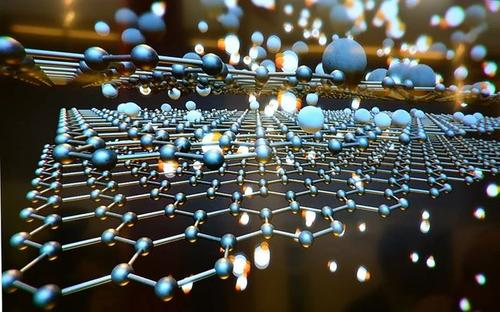
Graphene is a single layer of carbon atoms arranged in a two-dimensional hexagonal lattice. It is the fundamental building block of graphite and is renowned as the world’s first two-dimensional material. Its unique structure grants it a suite of exceptional properties:
-
Exceptional Electrical Conductivity: Graphene conducts electricity better than copper. Its electrons can move with extremely high mobility, making it an ideal material for managing electrical current efficiently.
-
Superior Thermal Conductivity: It is an excellent conductor of heat, superior to diamond. This allows it to spread heat rapidly and uniformly across its surface, eliminating cold spots.
-
Remarkable Strength and Flexibility: Graphene is approximately 200 times stronger than steel yet is incredibly lightweight, flexible, and elastic. It can be bent, stretched, and twisted without breaking.
-
Optical Transparency: It is nearly transparent, allowing for the potential development of see-through electronic devices.
-
Impermeability: Graphene is impermeable to even the smallest gas molecules like hydrogen and helium, making it an excellent barrier material.
Application of Graphene in Heated Clothing
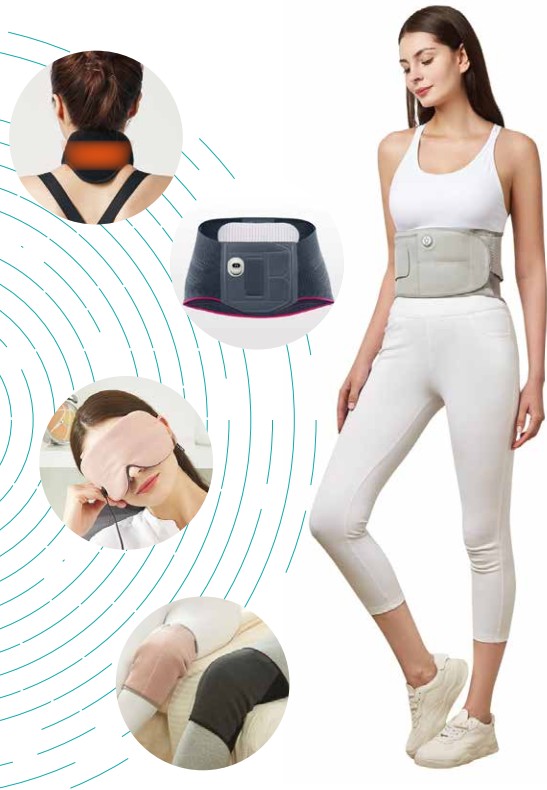
The unique combination of graphene’s properties makes it a revolutionary material for next-generation heated clothing, addressing key limitations of traditional heating elements like carbon fiber or metal wires.
How Graphene Heated Clothing Works:
A low-voltage power source (typically a small USB power bank) supplies electricity to a graphene-based flexible film or ink printed or laminated onto the fabric. Due to its high electrical conductivity, the graphene layer efficiently converts electrical energy into heat (Joule heating).
Key Benefits in Heated Apparel:
-
Rapid, Low-Voltage Heating: Graphene heats up incredibly quickly and efficiently, providing warmth almost instantly, even at very low and safe operating voltages.
-
Uniform Heat Distribution: This is its most significant advantage. Graphene’s high thermal conductivity ensures that heat spreads evenly across the entire heating panel, unlike traditional wires that create hot spots along their narrow paths. This results in consistent, comfortable warmth over a large area of the body.
-
Lightweight, Flexible, and Durable: Graphene heating elements are ultra-thin, lightweight, and highly flexible. They integrate seamlessly into textiles without adding bulk or stiffness, allowing for comfortable, functional, and fashionable apparel that moves with the body. Its strength ensures the heating element is robust and long-lasting.
-
Breathable and Biomodulation Potential: When applied as a micro-coating or integrated at the fiber level, graphene membranes can remain breathable, allowing moisture vapor to escape. Furthermore, there is growing interest in its far-infrared radiation (FIR) properties. Similar to polyimide, the far-infrared emitted by graphene can gently penetrate the skin, promoting blood circulation and providing a deep, soothing warmth that feels more natural than simple convective heat.
-
Energy Efficiency: Graphene’s high electrical and thermal conversion efficiency means more heat is generated per unit of power consumed, leading to longer battery life for the wearable heating system.
Graphene transforms heated clothing from a simple heating device into a high-performance, smart textile system. It offers rapid, even, and efficient warmth in a package that is lightweight, durable, and exceptionally comfortable. For companies like Hongyang Zhongke, integrating graphene fibers alongside other advanced materials like polyimide creates a powerful portfolio of high-tech textile solutions, pushing the boundaries of what is possible in protective, wellness, and performance apparel.
Graphene vs Traditional Heating Elements Comparison
| Material Type | Heating Performance Comparison | Comfort & Flexibility | Durability & Safety | Typical Use in Heated Apparel |
|---|---|---|---|---|
| Graphene heating film / fibers | Heats rapidly at low voltage and spreads heat uniformly across large panels, reducing hot spots and cold zones on the body. | Ultra-thin and lightweight; can be printed or laminated directly onto fabric, preserving softness, drape, and stretch. | Highly resistant to bending and repeated folding; large-area heating reduces localized overheating risk when properly controlled. | Premium jackets, base layers, gloves, and smart textiles where even warmth and thin construction are critical. |
| Carbon fiber heating wires | Provides stable heating but usually along narrow wire paths, which can create noticeable warm lines instead of a broad heat field. | More flexible than metal wires but still introduces some stiffness and can be felt through lighter fabrics. | Good fatigue resistance, yet individual wires may break under strong pulling or sharp folding over long-term use. | Common in mainstream heated vests, motorcycle gear, and insoles where cost control and simplicity are priorities. |
| Metal resistance wires (e.g., copper, steel) | Heats effectively but often requires higher power density; heat is concentrated near the wire, increasing the chance of hot spots. | Typically the least flexible option; wires may create pressure points, affecting comfort in tight-fitting garments. | Repeated bending can cause metal fatigue; must be carefully insulated to reduce risk of short circuits or burn points. | Legacy heated clothing, seat warmers, and applications where bulk and rigidity are less of a concern. |
Steps: How to Use Graphene Heated Clothing Safely
- Step 1 – Check the power requirements: Before wearing your graphene heated jacket or vest, confirm the recommended voltage and power bank specifications listed on the garment label or user manual.
- Step 2 – Inspect the garment and cable connections: Look over the power cord, USB plug, and internal connectors to ensure there are no visible breaks, frayed cables, or damaged ports before each use.
- Step 3 – Connect the approved power bank: Use a compatible low-voltage USB power bank, plug it into the garment’s cable, and place the power bank securely into the designated pocket or compartment.
- Step 4 – Power on and select a heat level: Press and hold the control button, if available, to turn on the graphene heating system, then choose the heating mode or temperature level that feels comfortable.
- Step 5 – Wait for even warmth to stabilize: Give the graphene panels a short time to distribute heat uniformly, then adjust layers of clothing so heat can radiate efficiently around your body.
- Step 6 – Monitor comfort and battery status: During use, pay attention to your skin comfort and check the power bank indicator regularly to avoid unexpected shutdown when you still need warmth.
- Step 7 – Turn off and disconnect after use: When you no longer need heating, switch off the control button, unplug the power bank, and store both the garment and battery in a dry, ventilated place.
Graphene Heated Clothing FAQ
1. How does graphene heated clothing work compared with traditional heated jackets?
Graphene heated clothing uses thin graphene films or coatings as the heating element, powered by a low-voltage USB power bank. When current passes through the graphene layer, it generates heat evenly across a wide area, unlike traditional copper or carbon wires that only heat along thin lines. This structure allows graphene garments to be lighter, more flexible, and capable of providing large-area, uniform warmth for daily wear and outdoor activities.
2. Is graphene heated apparel safe for everyday use on the skin?
Graphene heated apparel is designed to operate at low voltages similar to common portable electronics, which helps reduce electrical risk in normal use. The graphene layer is encapsulated or integrated within textile structures, so it does not directly touch the skin. In addition, the even heat distribution of graphene helps avoid intense hot spots, which can improve thermal comfort when the garment is used according to the manufacturer’s safety instructions.
3. What are the main advantages of graphene heated clothing vs carbon fiber heating wires?
Compared with carbon fiber heating wires, graphene heating elements are typically thinner, lighter, and easier to laminate over a broad fabric surface. This means they can deliver fast, uniform warmth while maintaining better drape and flexibility in jackets, base layers, and gloves. Carbon fiber wires are widely used and reliable, but they are usually placed in limited paths, so the warmth may feel more localized and the wearer may perceive distinct warm bands instead of a continuous heated area.
4. How do I choose the right power bank for a graphene heated jacket or vest?
To choose a suitable power bank for graphene heated apparel, first check the product manual for the recommended output voltage and connector type, which is often a standard USB interface. Many garments are compatible with common mobile power banks used for charging phones, as long as the output current and capacity can support the desired heating duration. Selecting a high-quality, certified power bank helps ensure stable power delivery and supports longer operating time in cold environments.
5. Can graphene heated clothing be washed and maintained like regular outdoor gear?
Many graphene heated garments are designed with protective layers and removable power systems, allowing gentle washing following the manufacturer’s instructions. Users typically need to disconnect and remove the power bank, secure connectors, and choose a mild washing cycle or hand-wash method. Avoiding strong twisting, high-temperature drying, and harsh chemicals can help extend the life of the graphene heating components and the surrounding performance fabrics.